
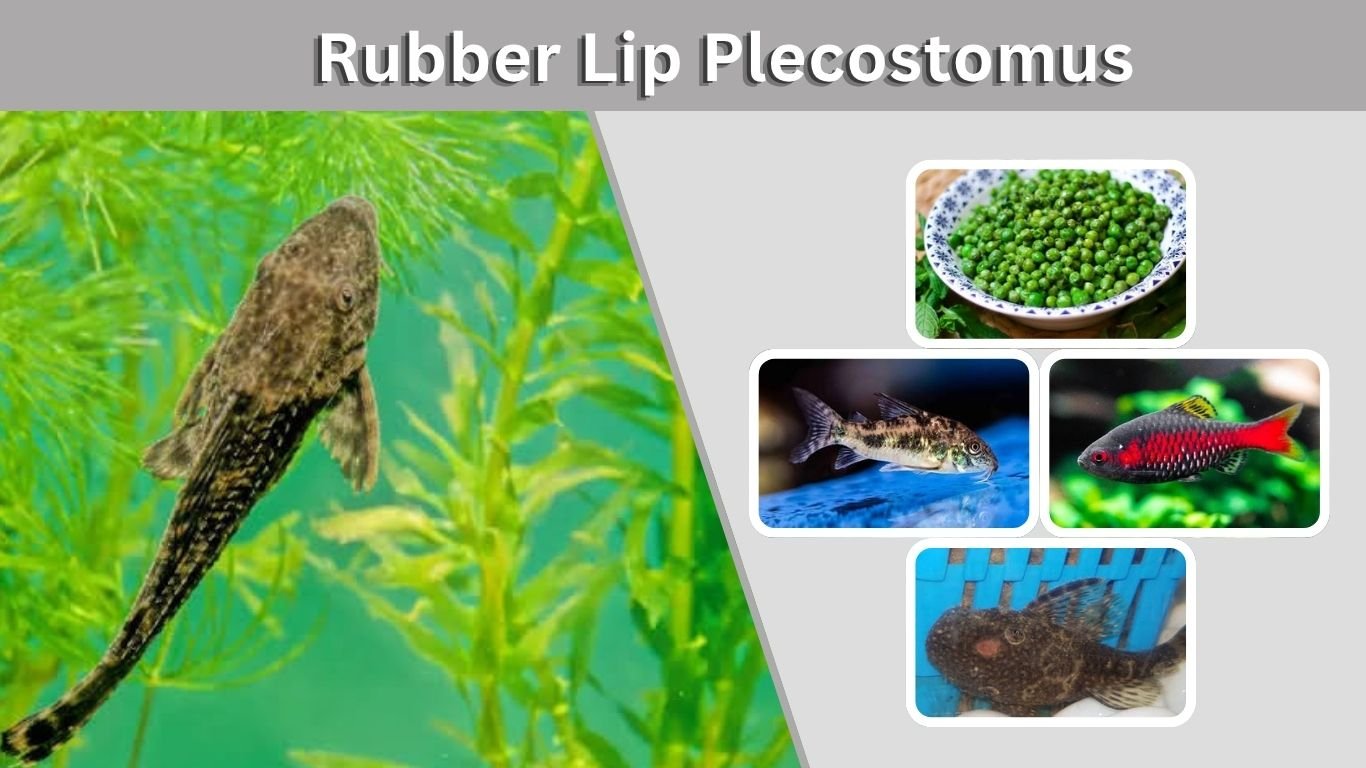
The rubber lip plecostomus is a small freshwater catfish admired for its unusual sucker-shaped mouth, peaceful behavior, and algae-grazing habits. Also called the rubber lipped plecostomus or rubbernose pleco, this fish is a popular alternative to larger pleco species. Its compact size makes it suitable for appropriately designed home aquariums, but it requires clean, oxygen-rich water and a balanced diet. Understanding its natural habitat and feeding behavior is essential for successful fishkeeping. This guide explains rubber lip plecostomus size, tank requirements, lifespan, diet, breeding, and compatible tank mates.
What Is a Rubber Lip Plecostomus?
The rubber lip plecostomus belongs to the Loricariidae family of armored freshwater catfish. The name commonly refers to members of the Chaetostoma genus, especially Chaetostoma formosae, although several similar species are sold under this trade name.
These fish originate from South American river systems, particularly the rocky, fast-flowing streams of Colombia and neighboring regions.
Appearance and Identification
Rubber lip plecos have flattened bodies, broad heads, and large sucker-shaped mouths. Their gray, brown, or olive bodies may display dark spots, stripes, or irregular markings.
Their mouths help them cling to rocks and scrape algae from submerged surfaces.
Unlike bristlenose plecos, rubber lip plecos do not develop prominent fleshy tentacles around their snouts.
How Big Do Rubber Lip Plecostomus Get?

A typical rubber lip plecostomus reaches approximately 4–5 inches (10–13 cm) in total length, although adult size varies by species.
The commonly sold Chaetostoma formosae reaches approximately 4 inches in standard length, excluding its tail.
Unlike common plecos, which can become exceptionally large, rubber lip plecos remain comparatively compact.
Rubber Lip Plecostomus Growth Rate
Young rubber lip plecos grow gradually when provided with suitable nutrition and stable water conditions.
Their development depends on species, genetics, feeding, and aquarium maintenance.
Juveniles require access to natural algae and biofilm, along with appropriate supplementary foods. Healthy growth should be encouraged through proper husbandry rather than excessive feeding.
Rubber Lip Plecostomus Tank Size and Setup
A suitable aquarium should resemble the cool, flowing river environments that rubber lip plecos naturally inhabit.
Although these fish are relatively small, they need sufficient bottom space, clean water, and strong oxygenation.
Minimum Tank Size
A 30-gallon aquarium or larger is a sensible starting point for one rubber lip plecostomus, with a long aquarium preferred over a tall design.
For C. formosae, a tank footprint around 48 × 12 inches provides useful grazing space and accommodates flowing water.
Avoid keeping rubber lip plecos in very small aquariums with limited filtration.
Ideal Water Conditions
Rubber lip plecos generally prefer cooler conditions than many tropical aquarium fish.
Recommended parameters for Chaetostoma formosae include:
- Temperature: 68–75°F (20–24°C)
- pH: 6.5–7.8
- Water hardness: Approximately 8–25 dGH
- Water movement: Moderate to strong
- Ammonia and nitrite: 0 ppm
Provide efficient filtration and good surface agitation to maintain dissolved oxygen.
Substrate and Decorations
Smooth rocks, rounded gravel, and established driftwood create a comfortable aquarium environment.
Large stones provide grazing surfaces where algae and biofilm can develop.
Include caves and sheltered areas where the fish can rest.
Rubber lip plecos should only be introduced into fully cycled, established aquariums. Newly set up tanks often lack the natural food and stable water conditions they require.
What Do Rubber Lip Plecostomus Eat?
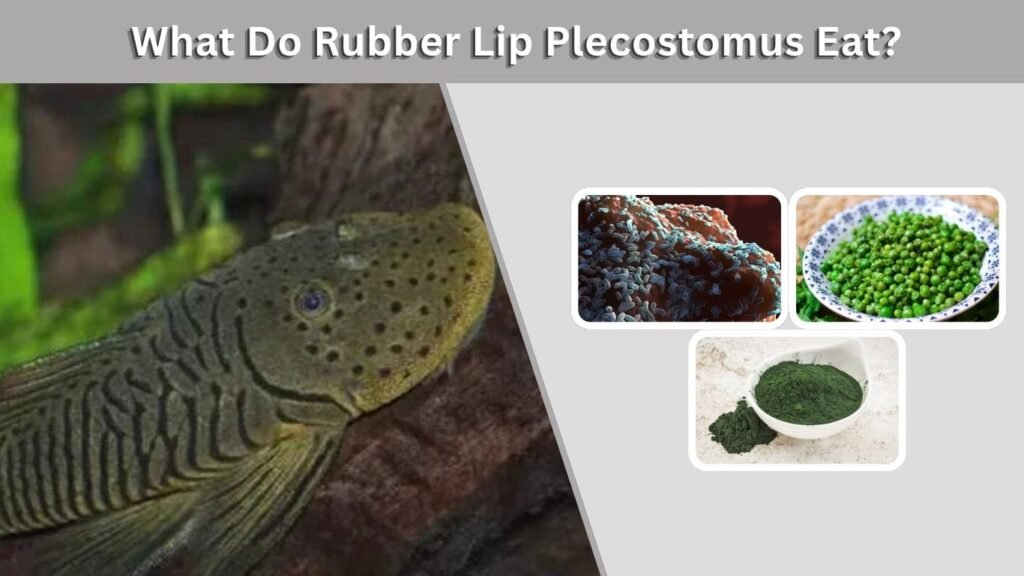
Rubber lip plecos are primarily algae and biofilm grazers. In natural environments, they feed on microorganisms, algae, and tiny invertebrates living on submerged rocks.
Unlike fish that consume mostly commercial food, these catfish benefit from continuous access to established grazing surfaces.
Best Foods for Rubber Lip Plecostomus
Suitable foods include:
- Natural algae: An important component of their diet.
- Biofilm: Provides microorganisms and organic nutrients.
- Algae wafers: Supplement natural grazing.
- Zucchini: A useful vegetable option.
- Blanched spinach: Provides additional plant-based nutrition.
- Shelled peas: Can be offered occasionally.
- Small frozen invertebrates: Daphnia, Artemia, or bloodworms can provide dietary variety.
Not every individual readily accepts prepared foods. Observe feeding behavior and adjust the diet accordingly.
Feeding Schedule
Provide natural algae and biofilm continuously where possible.
Offer supplementary food in small portions, often during the evening when the fish may be more comfortable feeding.
Remove uneaten vegetables before they deteriorate.
Regularly check the fish’s abdomen. A noticeably sunken belly may indicate inadequate nutrition or illness.
Rubber Lip Plecostomus Behavior and Tank Mates
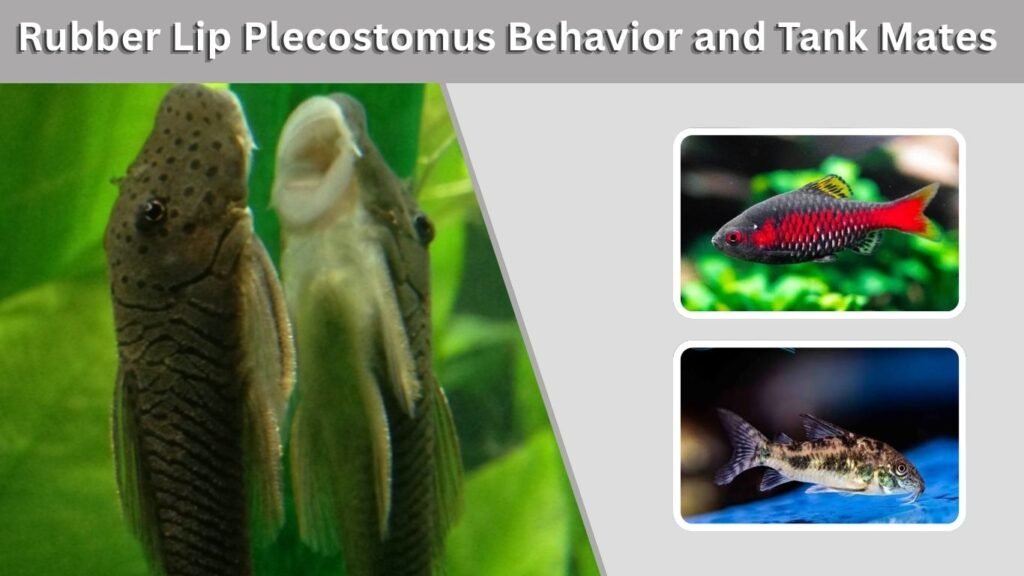
Rubber lip plecos are generally peaceful fish that spend much of their time attached to rocks, aquarium glass, or other submerged surfaces.
They prefer areas with moving water and suitable hiding places.
Although usually peaceful toward unrelated species, they may defend preferred grazing territories against other plecos.
Are Rubber Lip Plecostomus Nocturnal?
Rubber lip plecos often become more active during evening hours, but they are not strictly nocturnal.
They may graze throughout the day when comfortable and provided with suitable hiding places.
A well-established aquarium with peaceful tank mates encourages more natural behavior.
Best Tank Mates
Compatible species may include:
- Zebra danios
- White Cloud Mountain minnows
- Peaceful barbs
- Peppered Corydoras
- Other peaceful fish that tolerate cooler, flowing water
Choose tank mates according to matching water parameters and temperament.
Avoid large aggressive fish or species that compete heavily for limited bottom space.
Can Rubber Lip Plecostomus Live With Goldfish?
Goldfish and rubber lip plecos are generally not recommended together.
Although their temperature preferences sometimes overlap, goldfish produce substantial waste and may compete for food.
Large goldfish can also disturb smaller bottom-dwelling fish. A dedicated aquarium with more compatible companions is usually preferable.
Rubber Lip Plecostomus Lifespan
Rubber lip plecostomus are often reported to live approximately 8–12 years in captivity, although reliable species-specific lifespan data are limited.
Actual longevity depends on water quality, feeding, species identification, and overall husbandry.
Maintaining clean, oxygenated water and preventing chronic nutritional deficiencies can support long-term health.
Common Rubber Lip Plecostomus Health Problems

Rubber lip plecos can develop health problems when exposed to unsuitable temperatures, poor water quality, or inadequate feeding.
Common warning signs include:
- Sunken abdomen: May indicate insufficient food or illness.
- White spots: Could suggest ich or another condition.
- Rapid breathing: May indicate poor oxygenation or water-quality problems.
- Damaged fins: Can result from injuries or aggression.
- Persistent inactivity: May indicate stress or illness.
Check temperature, ammonia, nitrite, and oxygenation when problems develop.
Avoid treating unexplained symptoms with medication before identifying the likely cause. Seek advice from an aquatic veterinarian when necessary.
Rubber Lip Plecostomus Breeding
Breeding rubber lip plecos in captivity is uncommon and can be challenging.
Some Chaetostoma species reproduce in sheltered cavities or beneath rocks, where males guard the eggs.
Successful spawning generally requires mature fish, suitable shelters, excellent water quality, and strong oxygenation.
Male and Female Differences
Adult males of some rubbernose pleco species develop broader heads, enlarged fin structures, and more prominent odontodes.
Females may appear rounder around the abdomen, particularly when carrying eggs.
However, identifying sex accurately can be difficult without knowing the exact species.
FAQs
Are Rubber Lip Plecostomus Good for Beginners?
Rubber lip plecos can be suitable for aquarists with some experience maintaining established freshwater tanks. However, their need for clean, oxygen-rich water and natural grazing surfaces makes them more demanding than certain other small pleco species.
Do Rubber Lip Plecostomus Eat Algae?
Yes. Rubber lip plecos naturally graze on algae and biofilm growing on submerged rocks and other surfaces. However, they should not rely exclusively on visible aquarium algae. Supplementary foods help maintain balanced nutrition and prevent starvation.
Can Rubber Lip Plecostomus Live Alone?
Yes. Rubber lip plecos can live individually without experiencing the problems associated with separating schooling fish. Keeping one specimen often simplifies aquarium management and reduces competition for food, grazing surfaces, and preferred hiding locations.
Can Rubber Lip Plecostomus Live in a New Tank?
Rubber lip plecos should not be introduced into newly established or uncycled aquariums. They require stable water conditions and benefit from mature algae and biofilm. Allow the aquarium to complete its nitrogen cycle before introducing them.
How Often Should You Feed Rubber Lip Plecostomus?
Rubber lip plecos should have regular access to natural grazing surfaces. Offer supplementary foods as needed, monitor their body condition, and remove uneaten portions. Feeding needs vary depending on the amount of algae available and the individual fish.