
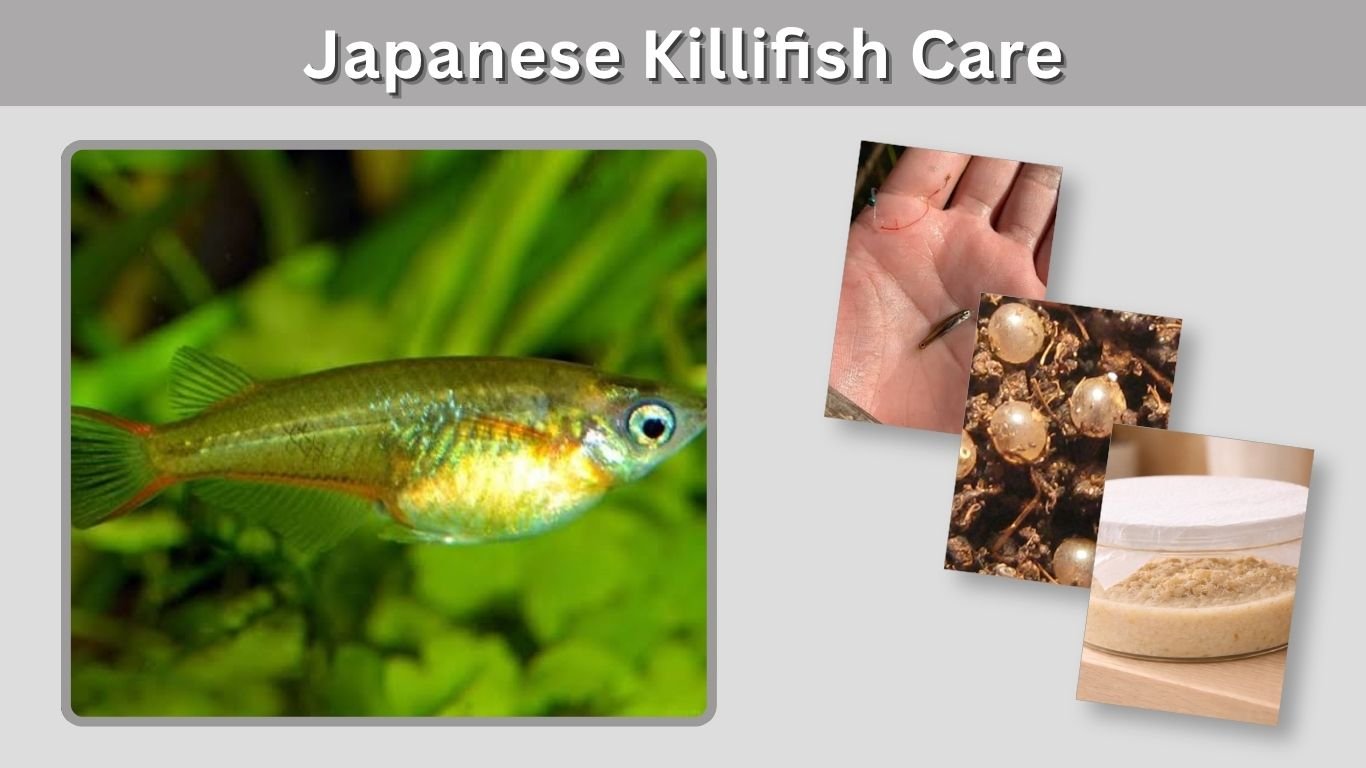
The Japanese killifish, commonly known as Medaka or Japanese rice fish, is a small, colorful freshwater species native to East Asia. Its peaceful temperament, attractive color variations, and adaptable nature make it a popular choice among aquarium enthusiasts. Unlike many tropical aquarium fish, Medaka can thrive in cooler water without constant heating. However, proper tank conditions, balanced nutrition, and suitable companions are essential for long-term health. Understanding Japanese killifish care, including their natural habitat, feeding requirements, and breeding behavior, helps aquarists keep these fascinating fish healthy and active.
What Is a Japanese Killifish?
The Japanese killifish, scientifically known as Oryzias latipes, belongs to the ricefish family Adrianichthyidae. It is commonly called Japanese Medaka or Japanese rice fish. Native populations inhabit Japan and nearby parts of East Asia, particularly shallow freshwater environments. Despite its common name, this species is not a true killifish in the order Cyprinodontiformes.
Appearance and Physical Characteristics
Japanese killifish have slender bodies, slightly upward-facing mouths, and relatively large eyes. Wild individuals usually display subdued silver, gray, or brownish coloration, while ornamental varieties can appear white, orange, yellow, or metallic.
Their fins are relatively delicate, and their streamlined bodies allow them to move easily through shallow vegetation. Different selectively bred Medaka varieties display distinctive colors, patterns, and reflective scales.
Natural Habitat and Behavior
In nature, Medaka inhabit rice paddies, ponds, drainage channels, and slow-moving streams. These environments often contain aquatic vegetation and experience noticeable seasonal temperature changes.
Japanese killifish are peaceful, social swimmers that typically occupy the upper portions of an aquarium. They feel more confident in groups and spend much of their time searching for small food particles near the surface.
Japanese Killifish Size and Lifespan

Understanding Japanese killifish size and lifespan helps aquarists plan suitable aquarium conditions. Medaka remain relatively small throughout adulthood, making them practical for planted aquariums and appropriately sized outdoor containers. However, their small size does not mean they should be maintained in cramped conditions. Swimming space, social grouping, and consistent water quality are important for healthy development.
How Big Do Japanese Killifish Get?
Adult Japanese killifish generally reach approximately 1.2–1.6 inches (3–4 cm) in length. Females may develop slightly fuller bodies than males, particularly during breeding.
Their compact size makes them suitable for modest aquariums, but they should have enough horizontal swimming space to move comfortably in groups.
How Long Do Japanese Killifish Live?
Japanese killifish commonly live around two to four years in captivity, although individual lifespans vary depending on genetics and environmental conditions.
Stable water parameters, appropriate temperatures, and nutritious feeding contribute to longevity. Constant exposure to excessively warm water may shorten their lifespan.
Japanese Killifish Care and Tank Requirements
Proper Japanese killifish care involves providing a well-planted aquarium with clean water and gentle filtration. Unlike many tropical fish, Medaka prefer temperate to subtropical conditions and generally do not require high water temperatures. They also appreciate open swimming areas combined with vegetation that provides shelter. Maintaining consistent water quality helps prevent unnecessary stress.
Ideal Aquarium Size and Setup
A group of Japanese killifish can be maintained in a well-established aquarium of approximately 10–15 gallons, although 20 gallons provides additional swimming space.
Recommended aquarium features include:
- Tank size: Approximately 10–15 gallons minimum for a small group.
- Substrate: Fine sand or smooth gravel.
- Plants: Java moss, hornwort, and floating plants.
- Filtration: Gentle filtration without strong currents.
- Lighting: Moderate lighting with shaded areas.
- Tank cover: A secure lid to prevent jumping.
Water Temperature and Conditions
Japanese Medaka tolerate seasonal temperature variation, but stable, appropriate water conditions are important. They generally prefer cooler temperatures than most tropical aquarium fish.
Recommended water parameters include:
- Preferred temperature: 61–72°F (16–22°C).
- pH level: Approximately 6.5–8.5.
- Water hardness: Around 5–25 dGH.
- Ammonia: 0 ppm.
- Nitrite: 0 ppm.
- Water changes: Approximately 20–25% weekly.
What Do Japanese Killifish Eat?

Japanese killifish are primarily small aquatic micropredators that consume tiny insects, larvae, crustaceans, and zooplankton in their natural environment. In captivity, they readily accept suitable prepared foods alongside live and frozen alternatives. A varied diet supports healthy growth, attractive coloration, and successful reproduction. Their small mouths require appropriately sized food particles that they can swallow comfortably.
Best Food for Japanese Killifish
Providing several nutritious food options helps keep Medaka healthy and encourages natural feeding behavior.
Recommended foods include:
- High-quality micro pellets.
- Finely crushed tropical fish flakes.
- Live or frozen baby brine shrimp.
- Daphnia and other small crustaceans.
- Microworms and suitable live foods.
- Small aquatic insect larvae from safe sources.
Feeding Frequency and Tips
Adult Japanese killifish generally benefit from one or two small meals daily. Offer portions they can finish within a short period to prevent excess food from contaminating the water.
Young fish require smaller, more frequent feedings. Combining prepared foods with occasional live or frozen options helps provide nutritional variety and encourages natural hunting instincts.
Japanese Killifish Tank Mates and Compatibility
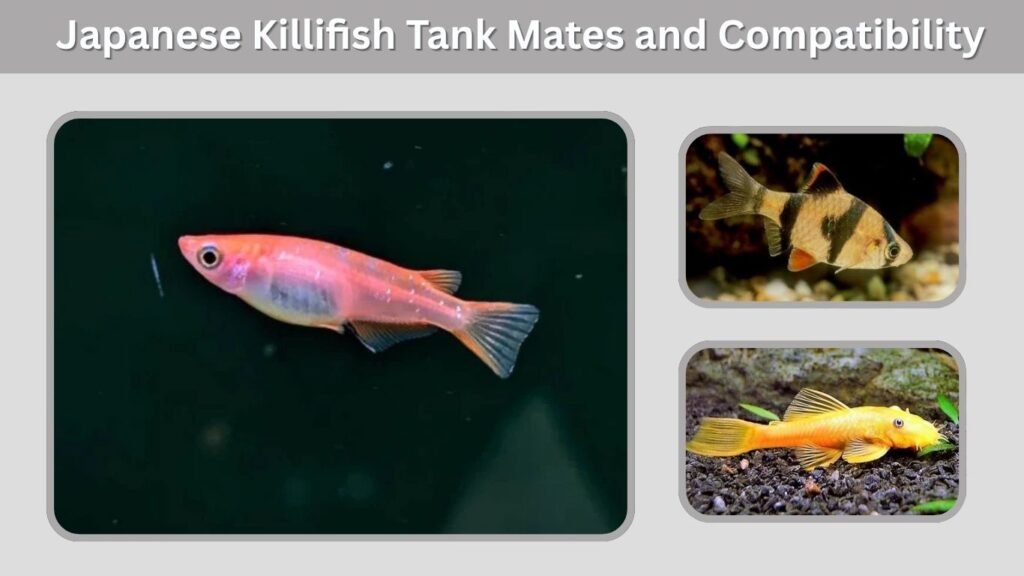
Japanese killifish are generally peaceful and can coexist with carefully selected aquarium companions. However, their preference for cooler water makes them unsuitable for some conventional tropical community aquariums. Tank mates should share similar temperature requirements and have nonaggressive temperaments. Avoid large predatory species that could swallow these small fish or intimidate them during feeding.
Best Tank Mates for Japanese Killifish
Suitable companions may include peaceful fish that tolerate comparable water conditions, such as certain small rainbowfish or other appropriately sized temperate species. Nerite snails can also make suitable aquarium companions.
Avoid large cichlids, aggressive barbs, and fish requiring consistently high tropical temperatures. A species-only aquarium is often preferable when maintaining valuable breeding strains.
Are Japanese Killifish Aggressive?
Japanese killifish are generally nonaggressive toward other aquarium inhabitants. Males may occasionally display territorial behavior during breeding, but serious fighting is uncommon in spacious, planted aquariums.
Keeping a group of at least six, preferably eight or more, encourages natural social behavior. Adequate vegetation helps reduce minor competition and provides hiding places.
Male and Female Japanese Killifish Differences
Identifying male and female Japanese killifish becomes easier as they mature. Both sexes share similar body shapes and coloration, but their fins and reproductive characteristics differ. Understanding these differences helps aquarists maintain balanced breeding groups and recognize when females are ready to spawn.
How to Identify Male Japanese Killifish
Male Medaka generally have more prominent dorsal and anal fins. Mature males may display extended fin rays and slightly slimmer bodies compared with females.
During breeding, males actively pursue receptive females and may briefly defend small areas of the aquarium.
How to Identify Female Japanese Killifish
Female Medaka usually have rounder abdomens and less elongated fins. During the breeding season, females may be observed carrying clusters of fertilized eggs near their vent.
These eggs eventually attach to aquatic plants or other suitable surfaces.
Japanese Killifish Breeding and Egg Hatching
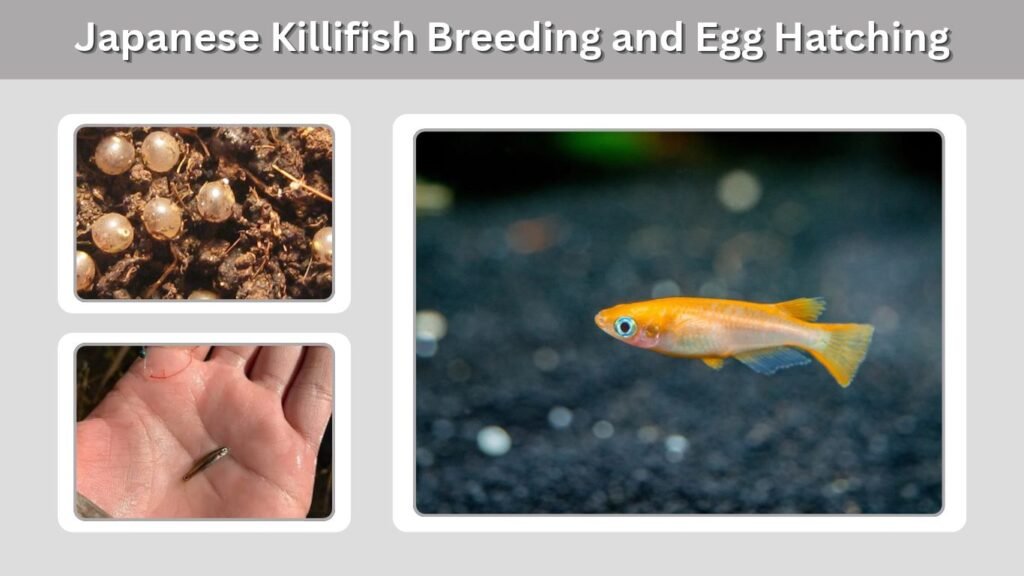
Japanese killifish breeding is relatively straightforward when healthy adults receive suitable food and favorable environmental conditions. Medaka are egg-laying fish that reproduce readily during appropriate seasonal conditions. Females temporarily carry adhesive eggs before depositing them among vegetation. A dedicated breeding aquarium can improve fry survival by reducing predation and allowing easier monitoring of developing eggs.
How to Breed Japanese Killifish
A planted breeding aquarium with gentle filtration and suitable spawning materials helps encourage successful reproduction.
Follow these steps:
- Select healthy, mature male and female fish.
- Prepare an established aquarium with clean water.
- Add fine-leaved plants or spawning mops.
- Provide nutritious live or frozen foods.
- Observe females for attached egg clusters.
- Transfer collected eggs to a separate incubation container when necessary.
Japanese Killifish Egg Hatching
Medaka eggs typically hatch within one to three weeks, depending on water temperature and developmental conditions.
Newly hatched fry can consume appropriately sized microworms, newly hatched brine shrimp, and other tiny foods. Maintaining clean water and avoiding overcrowding improves survival during their early development.
Where to Buy Japanese Killifish
Japanese killifish are available through some specialty aquarium stores, dedicated Medaka breeders, and reputable online ornamental fish retailers. Availability varies by region and color variety. Common ornamental strains include orange, white, and metallic-colored Medaka.
Choosing Healthy Japanese Killifish for Sale
When purchasing Japanese killifish, select individuals that swim actively, respond to food, and display normal body shapes and clear eyes.
Avoid fish showing unusual spots, damaged fins, breathing difficulties, or sluggish behavior. Ask sellers about their water conditions and quarantine new arrivals before introducing them into an established aquarium.
FAQs
1. Are Japanese killifish good for beginners?
Yes. Japanese killifish are relatively hardy, peaceful, and suitable for beginners. They adapt to various water conditions and accept several food types. However, beginners should provide stable temperatures, adequate swimming space, and regular aquarium maintenance.
2. Do Japanese killifish need a heater?
Japanese killifish generally do not require a heater when indoor temperatures remain within their preferred range. They tolerate cooler water better than many tropical fish. Avoid prolonged exposure to excessive warmth, which may reduce their lifespan.
3. How many Japanese killifish should be kept together?
Japanese killifish are social fish that should be maintained in groups. Keeping at least six individuals is reasonable, although eight or more allows better social interaction and encourages confident swimming behavior.
4. Can Japanese killifish live in outdoor ponds?
Yes. Medaka can live in suitable outdoor ponds and containers when temperatures, water quality, and predator protection are carefully managed. Provide vegetation, shaded areas, and adequate water depth during seasonal temperature changes.
5. Are Japanese killifish the same as Medaka?
Yes. Japanese killifish and Japanese Medaka commonly refer to Oryzias latipes, also called Japanese rice fish. Despite its common name, Medaka is a ricefish rather than a true killifish. The species is widely appreciated for its peaceful temperament and ornamental varieties.