
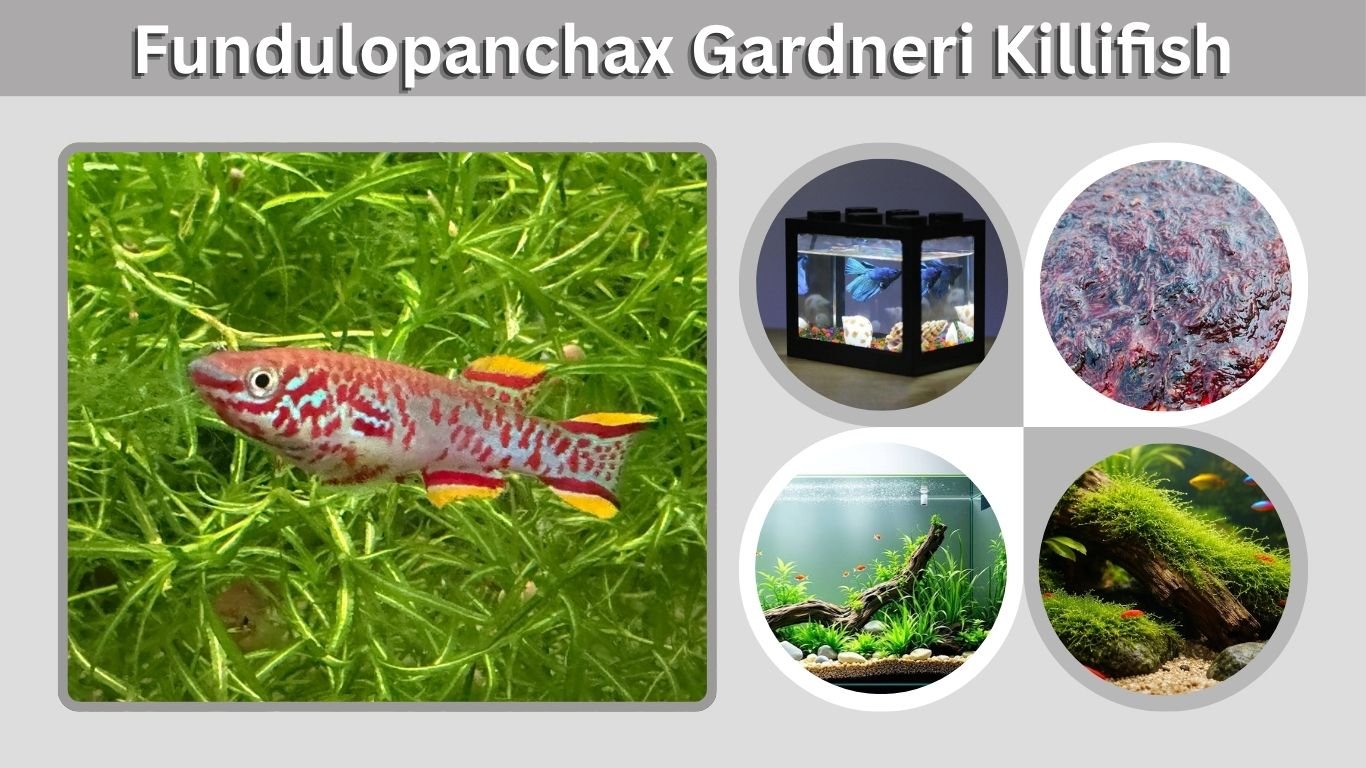
The Fundulopanchax gardneri killifish, also known as Gardner’s killifish or blue lyretail, is a colorful freshwater fish native to West Africa. Its bright blue-green body, red spots, and attractive fins make it a favorite among aquarium enthusiasts. This species is relatively hardy, but maintaining suitable water conditions, providing nutritious food, and choosing compatible tank mates are essential for healthy growth. Whether you’re a beginner or an experienced fishkeeper, understanding Fundulopanchax gardneri killifish care can help you create a comfortable aquarium and successfully breed these beautiful fish at home.
What Is a Fundulopanchax Gardneri Killifish?
Fundulopanchax gardneri is a small freshwater fish belonging to the family Nothobranchiidae. It naturally occurs in Nigeria and Cameroon, where it inhabits shallow streams, pools, and slow-moving waterways. Unlike strictly annual killifish, Gardner’s killifish does not require a seasonal dry period to complete its life cycle. Its attractive colors and adaptable nature make it popular among aquarium hobbyists.
Appearance and Physical Characteristics
Male Gardner’s killifish display striking blue or greenish bodies decorated with red spots. Their fins often feature yellow, orange, or red markings. Females have more subdued brownish coloration and shorter fins.
Adults typically grow around 2–2.5 inches long. Their compact bodies and distinctive patterns make them attractive additions to planted aquariums.
Natural Habitat and Behavior
In their natural habitat, these fish occupy shaded waterways containing aquatic vegetation, roots, and submerged leaves. They prefer gentle currents and spend considerable time exploring sheltered areas.
Gardner’s killifish are active and curious. However, males can become territorial, especially when competing for breeding opportunities.
Fundulopanchax Gardneri Killifish Tank Requirements
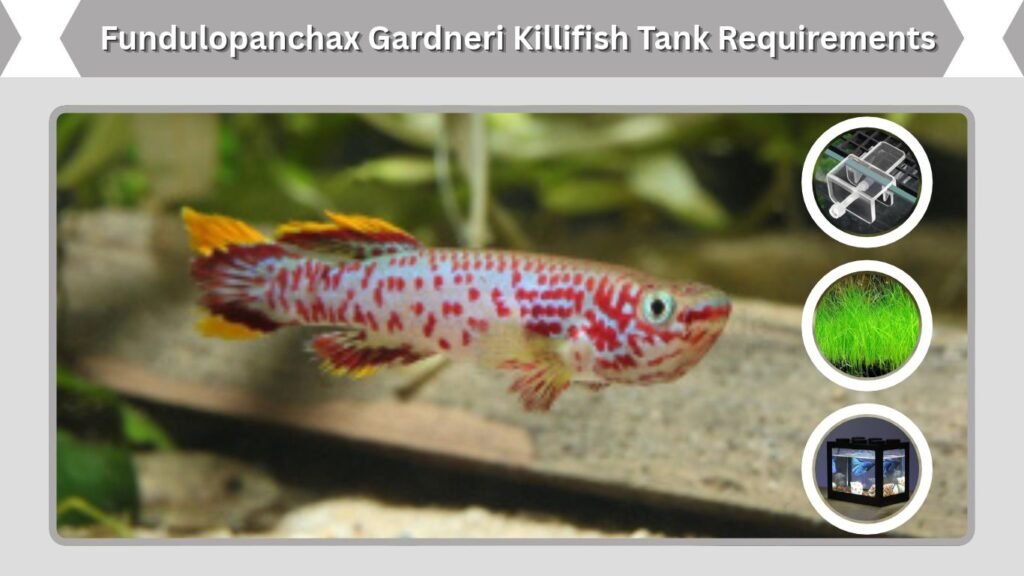
Providing a suitable aquarium environment is essential for maintaining healthy Gardner’s killifish. These fish prefer stable water conditions, gentle filtration, and plenty of vegetation. A properly arranged tank encourages natural behavior while reducing stress and aggression. Although they tolerate a reasonable range of conditions, sudden changes in temperature or water chemistry should always be avoided.
Ideal Tank Size and Setup
A 10-gallon aquarium is suitable for a pair, although a 20-gallon tank offers more space for a small group. Plants and decorations provide hiding places and help establish territories.
Recommended aquarium features include:
- Substrate: Fine sand or smooth gravel.
- Plants: Java moss, Java fern, and floating plants.
- Decorations: Driftwood, smooth stones, and natural shelters.
- Filtration: Gentle sponge filtration with minimal current.
- Lid: A secure cover to prevent jumping.
Water Temperature and Parameters
Maintaining consistent water conditions supports healthy growth, coloration, and reproduction. Gardner’s killifish generally prefer slightly acidic to neutral water, although their tolerance varies between populations.
Recommended water parameters include:
- Temperature: 68–79°F (20–26°C).
- pH level: Approximately 6.0–7.5.
- Water hardness: About 2–12 dGH.
- Ammonia and nitrite: 0 ppm.
- Water changes: Approximately 20–25% weekly.
Fundulopanchax Gardneri Killifish Diet and Feeding

Fundulopanchax gardneri killifish are primarily carnivorous micropredators that naturally consume small insects, aquatic larvae, worms, and crustaceans. In aquariums, they benefit from protein-rich foods that resemble their natural diet. Providing several food varieties supports healthy development, maintains vibrant coloration, and encourages breeding. These fish often show particularly strong feeding responses to live or frozen foods.
Best Foods for Gardneri Killifish
A balanced feeding routine should combine nutritious prepared foods with suitable live or frozen options.
Recommended foods include:
- Live or frozen brine shrimp.
- Daphnia and small crustaceans.
- Frozen or live bloodworms.
- Microworms and other small live foods.
- High-quality protein-rich pellets.
- Suitable tropical fish flakes.
How Often Should You Feed Them?
Adult Gardner’s killifish generally benefit from one or two small meals daily. Offer portions they can consume quickly, and remove uneaten food to prevent water contamination.
Young fish require smaller, more frequent meals to support growth. During breeding, nutritious live foods can help adults develop better reproductive conditions.
Fundulopanchax Gardneri Killifish Tank Mates
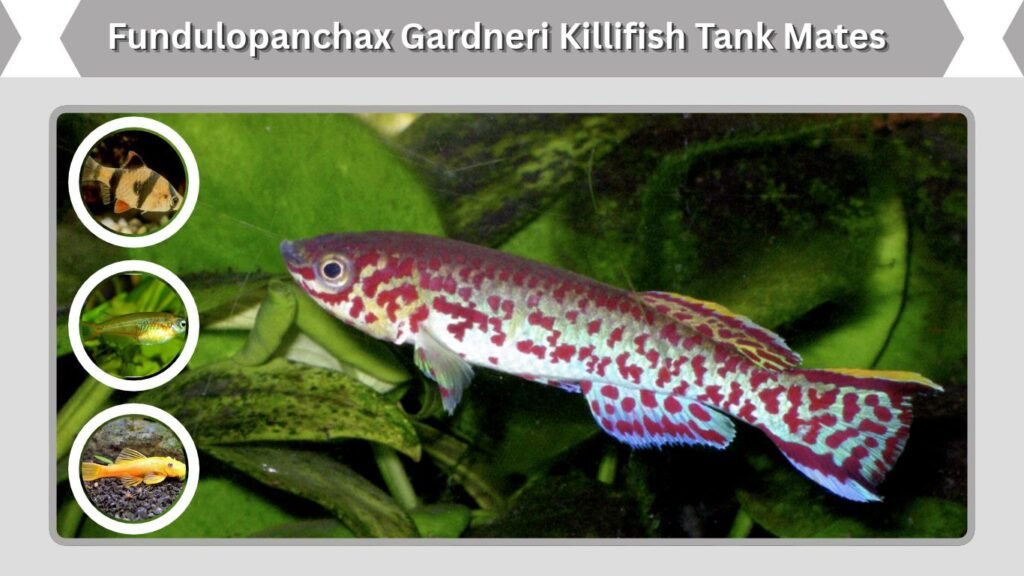
Gardner’s killifish can sometimes live in community aquariums, but their temperament requires careful consideration. Males may become territorial, while very small fish and shrimp can be viewed as prey. Choosing peaceful companions with similar environmental requirements reduces the likelihood of conflict. A species-only setup is often preferable for breeders maintaining specific locality populations.
Compatible Tank Mates
Some suitable companions, depending on aquarium size and individual temperament, include:
- Peaceful Corydoras catfish.
- Appropriately sized peaceful rasboras.
- Small, nonaggressive bottom-dwelling fish.
- Peaceful community species that tolerate similar water conditions.
Avoid aggressive fin-nippers, tiny fish, and vulnerable shrimp.
Aggression and Social Behavior
Male Gardner’s killifish occasionally chase other males or females, especially during spawning. Dense vegetation and visual barriers can help reduce territorial disputes.
A breeding arrangement of one male with two or three females may distribute the male’s attention. However, females still need sufficient hiding places, and persistent aggression requires separating individuals.
Fundulopanchax Gardneri Innidere and Nsukka Varieties
Fundulopanchax gardneri includes several geographically identified aquarium populations that may display differences in coloration and markings. Innidere and Nsukka are two names encountered in the killifish hobby. These names help breeders identify particular collection or breeding lines. Although their basic aquarium requirements are similar, keeping different locality strains separate is important for maintaining their identities.
Fundulopanchax Gardneri Innidere Killifish
The Fundulopanchax gardneri Innidere killifish is a locality-associated form valued for its attractive coloration and distinctive patterning. Some aquarium sources associate Innidere fish with the F. gardneri nigerianus group.
Like other Gardner’s killifish, they prefer planted aquariums with gentle water movement. Their exact appearance may vary between breeding lines, making reliable strain identification important.
Fundulopanchax Gardneri Nsukka Killifish
The Fundulopanchax gardneri Nsukka killifish is associated with the Nsukka locality in southeastern Nigeria. It is commonly identified within the F. gardneri gardneri group.
Nsukka killifish require similar tank conditions, feeding routines, and breeding arrangements. Aquarists interested in preserving locality strains should avoid crossing Nsukka fish with Innidere or other populations.
How to Breed Fundulopanchax Gardneri Killifish

Breeding Fundulopanchax gardneri is relatively straightforward when adults receive suitable care and nutritious food. These fish deposit adhesive eggs among aquatic plants or spawning materials. Unlike annual killifish, their eggs can develop without a mandatory dry incubation period. Providing a separate breeding setup helps protect eggs and newly hatched fry from being eaten by adult fish.
Preparing the Breeding Aquarium
A dedicated breeding aquarium provides better control over spawning conditions and fry survival.
Follow these steps:
- Prepare a small, established tank with gentle filtration.
- Introduce one healthy male and one or two females.
- Add Java moss or synthetic spawning mops.
- Provide nutritious live or frozen foods.
- Collect eggs regularly to reduce predation.
Egg Incubation and Fry Care
Females deposit eggs among plants or spawning mops. Collected eggs can be incubated separately in clean, suitable water.
Under favorable conditions, submerged eggs often hatch within approximately two to three weeks, although incubation varies. Newly hatched fry can eat baby brine shrimp and appropriately sized microworms.
Maintain clean water and provide frequent small meals to encourage healthy development.
FAQs
1. Are Fundulopanchax gardneri killifish beginner-friendly?
Yes. Gardner’s killifish are relatively hardy and suitable for beginners willing to maintain stable water conditions. However, they need secure aquarium lids, appropriate foods, and sufficient hiding spaces.
2. How long do Fundulopanchax gardneri killifish live?
Gardner’s killifish commonly live approximately two to three years in captivity. Their lifespan depends on genetics, water quality, nutrition, temperature, and overall aquarium conditions.
3. Can Gardneri killifish live in a community tank?
Yes, they can live with carefully selected peaceful fish. However, territorial males and their predatory feeding habits make species-only aquariums preferable in some situations.
4. How many Gardneri killifish should be kept together?
A pair or a group consisting of one male and two or three females is commonly recommended. Larger groups require additional space, vegetation, and territorial hiding areas.
5. Do Fundulopanchax gardneri killifish need a heater?
A heater may be necessary when room temperatures fall below their preferred range. Stable temperatures are more important than maintaining unusually warm tropical conditions.
