
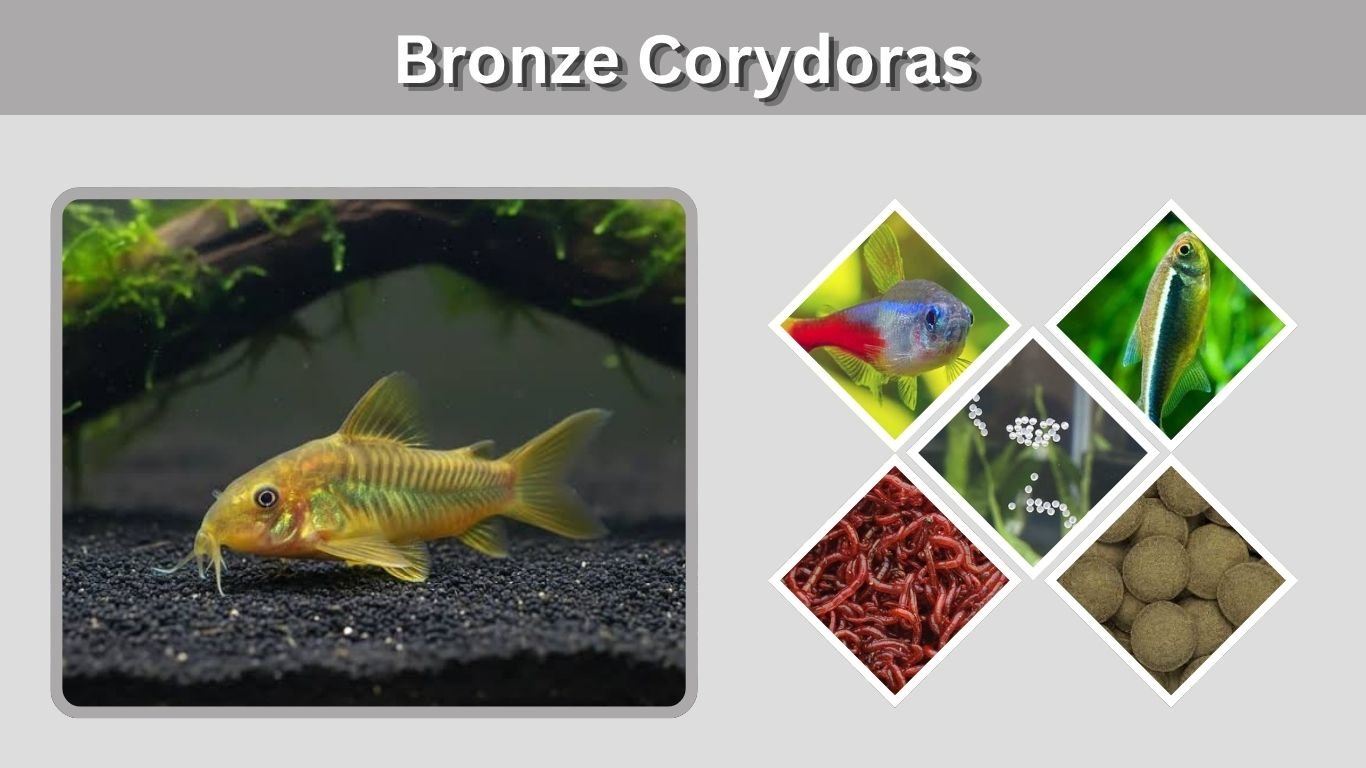
Bronze corydoras are among the most popular freshwater catfish for home aquariums. These peaceful, bottom-dwelling fish are known for their metallic bronze-green coloration, active personalities, and relatively easy care requirements. They are an excellent choice for beginners and experienced aquarists who want a friendly community fish. However, keeping bronze corydoras healthy requires proper water conditions, suitable tank mates, and a balanced diet. This guide explains everything you need to know about bronze corydoras, including their adult size, lifespan, tank setup, feeding habits, and breeding.
What Are Bronze Corydoras?
Bronze corydoras are small freshwater catfish belonging to the family Callichthyidae. Traditionally called Corydoras aeneus, the species is now classified as Osteogaster aenea following a scientific taxonomic revision. Both names remain recognizable in aquarium care information.
These fish have rounded bodies, protective bony plates, and sensitive barbels around their mouths. Their natural coloration combines bronze, green, and golden shades with a distinctive metallic sheen.
Bronze Corydoras Quick Facts
| Characteristics | Details |
| Scientific name | Osteogaster aenea |
| Former scientific name | Corydoras aeneus |
| Common names | Bronze Cory, Bronze Catfish, Green Cory |
| Adult size | 2.5–3 inches |
| Lifespan | 5–10 years |
| Minimum tank size | 20 gallons |
| Water temperature | 72–79°F (22–26°C) |
| pH level | 6.0–8.0 |
| Diet | Omnivore |
| Temperament | Peaceful |
| Recommended group | 6 or more |
| Care difficulty | Easy |
Bronze Corydoras Size and Lifespan
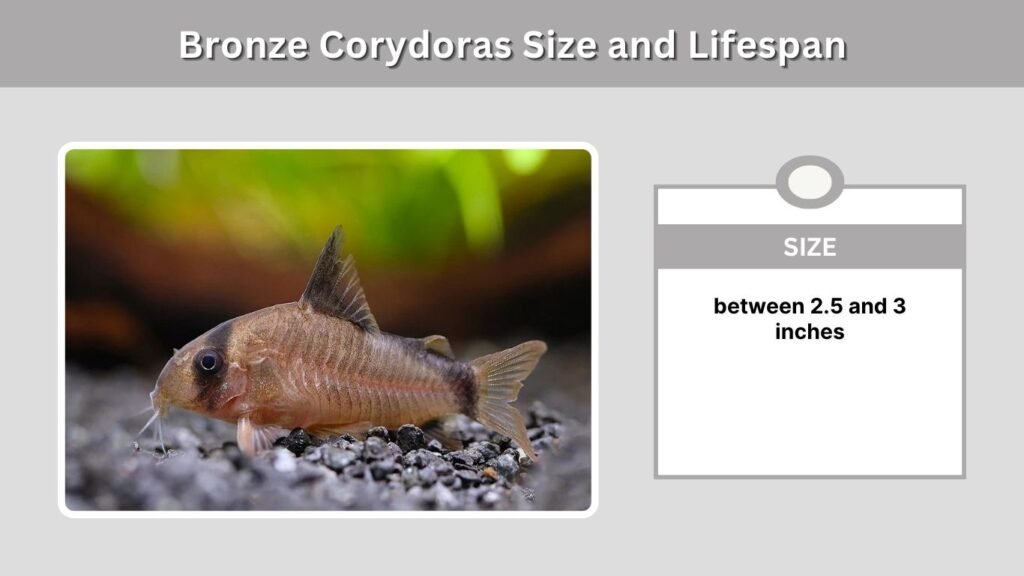
Bronze corydoras are relatively small aquarium fish, making them suitable for medium-sized freshwater tanks. Their adult size depends on genetics, nutrition, and environmental conditions. With proper care, they can remain healthy and active for several years.
How Big Do Bronze Corydoras Get?
Adult bronze corydoras typically grow between 2.5 and 3 inches (6–7.5 cm) long. Females generally become slightly larger and have broader, rounder bodies than males.
Young bronze corydoras are much smaller and gradually reach their adult size as they mature. A balanced diet and stable aquarium conditions support healthy growth.
Although these fish are small, they need adequate bottom space to swim, explore, and forage comfortably.
How Long Do Bronze Corydoras Live?
The average bronze corydora’s lifespan is approximately 5–10 years in a well-maintained aquarium.
Their longevity depends on several factors, including water quality, nutrition, stress levels, and disease prevention. Regular tank maintenance, appropriate feeding, and keeping them in groups can support a longer, healthier life.
Bronze Corydoras Care Guide
Bronze corydoras are considered beginner-friendly because they adapt to a reasonably wide range of freshwater conditions. However, proper bronze corydoras care involves more than simply providing food and water. They require a mature aquarium, comfortable substrate, gentle filtration, and suitable water parameters.
Ideal Bronze Corydoras Tank Size
A 20-gallon aquarium is a practical minimum for a group of six bronze corydoras. A 20-gallon long aquarium is especially suitable because it provides more bottom space than a taller tank of similar volume.
For larger groups or community aquariums containing additional fish, a 30-gallon or larger tank offers extra swimming space.
Bronze cordydoras should generally be kept in groups of at least six because they naturally display social shoaling behavior.
Bronze Corydoras Water Temperature and pH
Maintaining stable water conditions is essential for keeping bronze corydoras healthy.
Recommended aquarium parameters include:
- Temperature: 72–79°F (22–26°C)
- pH level: 6.0–8.0
- Water hardness: Approximately 2–15 dGH
- Ammonia: 0 ppm
- Nitrite: 0 ppm
Use a reliable aquarium filter and test water regularly. Partial water changes of approximately 20–30% each week can help control accumulated waste, although the appropriate amount depends on aquarium conditions.
Substrate and Tank Decorations
Bronze corydoras spend much of their time searching for food along the aquarium floor.
Fine sand or smooth, rounded gravel is recommended because their delicate barbels can be damaged by abrasive surfaces and poor substrate hygiene.
Adding live plants, driftwood, and sheltered areas makes the aquarium more comfortable. Java fern, Anubias, and Amazon swords are suitable plants for a bronze corydoras tank.
Leave open areas along the bottom so the fish can forage naturally.
What Do Bronze Corydoras Eat?
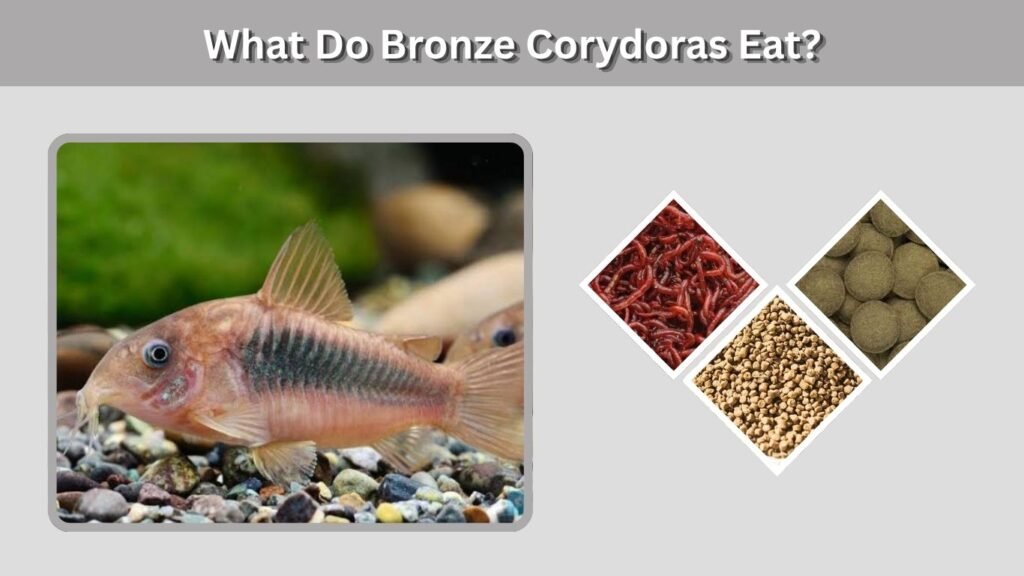
Bronze corydoras are omnivorous fish that consume both animal-based and plant-based foods. In aquariums, they thrive on a varied diet that supplies adequate protein, vitamins, and minerals.
Their food should reach the aquarium floor, where they naturally search for meals.
Best Foods for Bronze Corydoras
Suitable foods include:
- Sinking catfish pellets: Provide balanced daily nutrition.
- Bloodworms: Offer additional animal protein.
- Brine shrimp: Provide nutritional variety.
- Daphnia: Serve as occasional live or frozen food.
- Sinking wafers: Provide convenient supplemental nutrition.
Feed bronze corydoras once or twice daily in portions they can finish without leaving excessive waste.
Importantly, these fish should not depend entirely on leftover food from other aquarium inhabitants. They are not primarily algae eaters and need dedicated feeding.
Best Bronze Corydoras Tank Mates
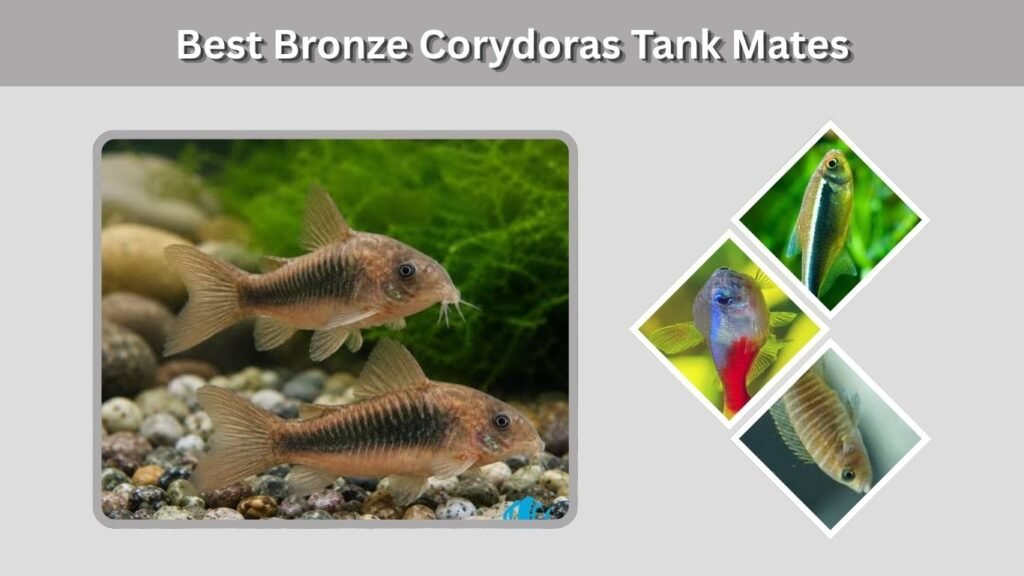
Bronze corydoras are peaceful community fish that usually coexist successfully with other nonaggressive freshwater species.
Their calm temperament makes them particularly suitable for planted community aquariums containing small schooling fish.
Compatible Fish
Some suitable bronze corydoras tank mates include:
- Neon tetras: Peaceful schooling fish.
- Harlequin rasboras: Calm community fish.
- Guppies: Generally compatible where water conditions overlap.
- Honey gouramis: Peaceful fish that occupy different swimming levels.
- Other bronze corydoras: Excellent companions for natural group behavior.
Avoid housing bronze corydoras with aggressive cichlids, large predatory fish, or species that repeatedly harass bottom dwellers.
Betta fish may sometimes coexist with bronze corydoras, but compatibility depends on the individual betta’s temperament and available space.
Bronze Corydoras Behavior and Group Size
Bronze corydoras are active, social fish that spend much of their time exploring the aquarium floor. They frequently move together while searching for food.
A group of six or more encourages natural behavior and helps reduce stress.
Occasionally, bronze corydoras swim rapidly to the surface to gulp air. This is normal because they can absorb some oxygen through their intestines.
However, persistent surface visits accompanied by rapid breathing or unusual inactivity may indicate poor water quality or insufficient dissolved oxygen.
Bronze Corydoras Breeding Guide
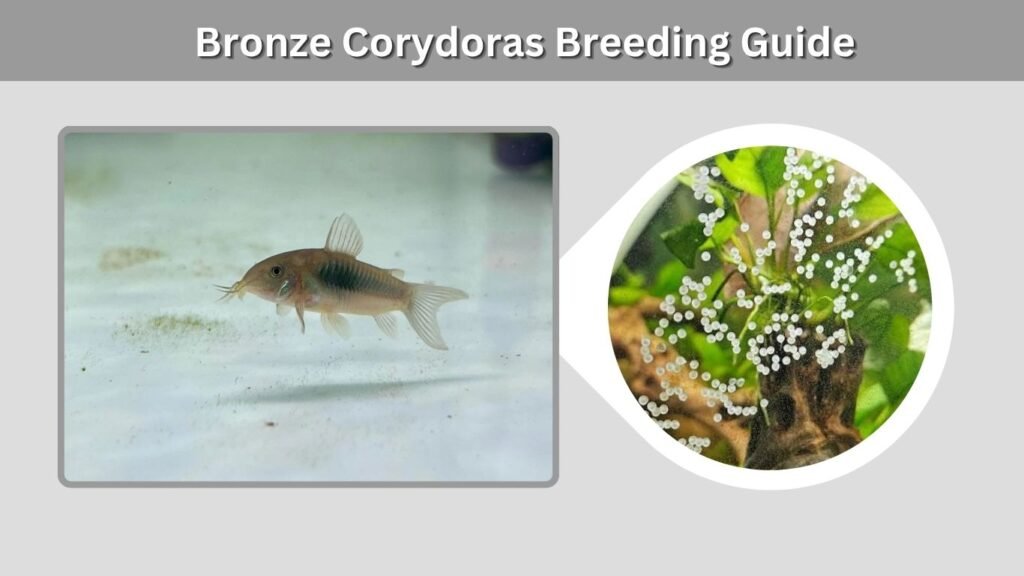
Breeding bronze corydoras is achievable in a home aquarium when adult fish are healthy and water conditions are suitable.
These catfish reproduce by laying adhesive eggs, usually on aquarium glass, plant leaves, or other smooth surfaces.
Male vs Female Bronze Corydoras
Female bronze corydoras typically have larger, rounder bodies, especially when carrying eggs. Males are generally smaller and slimmer.
Observing adult fish from above often makes the differences easier to identify.
How to Breed Bronze Corydoras
Follow these basic breeding steps:
- Select healthy adults: Establish a breeding group with both males and females.
- Provide nutritious foods: Offer quality sinking pellets and protein-rich frozen or live foods.
- Encourage spawning: A partial water change using slightly cooler, conditioned water may stimulate breeding.
- Observe egg laying: Females attach adhesive eggs to plants, glass, or aquarium decorations.
- Protect the eggs: Separate the eggs or adults because adult fish may eat the eggs.
Bronze cordydoras eggs generally hatch in approximately 3–5 days, depending on water temperature.
Once the fry absorb their yolk sacs, they can be fed microworms or newly hatched brine shrimp. Maintain clean water and gentle aeration during development.
Bronze Corydoras Colors and Varieties
Bronze cordydoras are available in several attractive appearances. Some result from natural pigmentation, while others are selectively bred aquarium varieties.
Popular forms include:
- Standard bronze corydoras: Metallic bronze-green bodies.
- Albino bronze corydoras: Pale pinkish-white bodies with reddish eyes.
- Golden bronze corydoras: Brighter golden coloration.
- Longfin bronze corydoras: Selectively bred fish with extended fins.
Some orange or Venezuelan corydoras sold under similar names belong to closely related but distinct forms or species. Their identification should be verified rather than assuming all color varieties are identical.
FAQs
1. Are Bronze Corydoras Hardy Fish?
Yes. Bronze corydoras are relatively hardy freshwater fish that tolerate a range of water conditions. However, they still require clean, stable water and proper aquarium maintenance.
2. How Many Bronze Corydoras Should Be Kept Together?
Keep at least six bronze corydoras together. Larger groups are beneficial when aquarium space allows, as these social fish feel more secure around their own kind.
3. Can Albino Corydoras Live With Bronze Corydoras?
Yes. Albino bronze corydoras and standard bronze corydoras are color forms of the same species and can generally form groups together.
4. Do Bronze Corydoras Eat Algae?
Bronze corydoras may consume small amounts of algae while foraging, but they are not effective algae cleaners. They need a proper diet containing sinking foods and animal protein.
5. Are Bronze Corydoras Venomous?
Like other cory catfish, bronze corydoras have defensive fin spines that can cause painful injuries and may deliver mildly venomous secretions. Avoid handling them with bare hands.
