
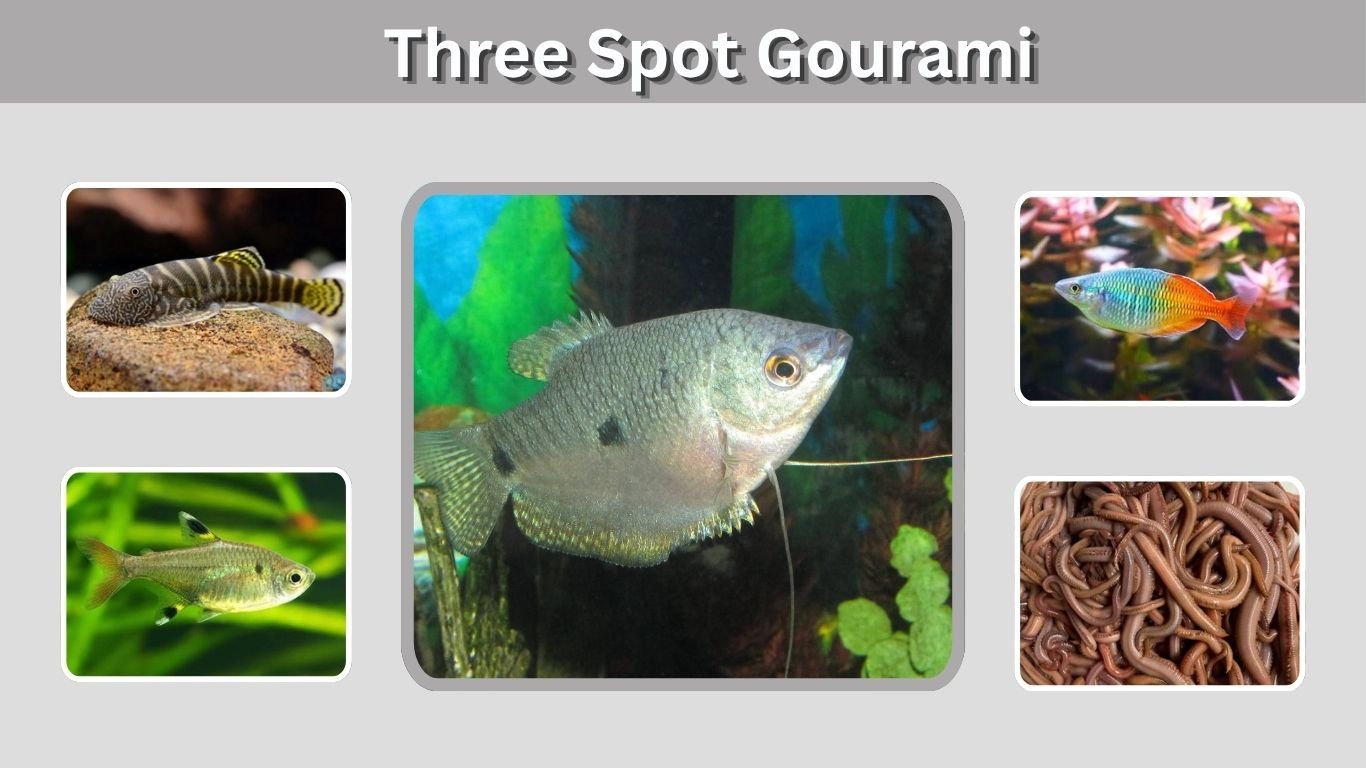
The Three Spot Gourami is a popular freshwater aquarium fish recognized for its beautiful colors, distinctive markings, and interesting personality. Native to Southeast Asia, this hardy species adapts well to different aquarium environments and attracts both beginner and experienced fishkeepers. However, its territorial behavior and relatively large adult size require careful planning. Understanding its diet, lifespan, breeding habits, and compatibility with other fish is essential for successful care. This guide explores everything you need to know about keeping a healthy Three Spot Gourami in your aquarium.
What Is a Three Spot Gourami?
The Three Spot Gourami (Trichopodus trichopterus) is a tropical freshwater fish belonging to the Osphronemidae family. It naturally inhabits slow-moving rivers, ponds, swamps, and densely vegetated wetlands throughout Southeast Asia. Its name comes from two dark spots along its body and its eye, which represents the third spot. Several attractive color varieties are commonly available in aquarium stores.
Three Spot Gourami Identification
The Three Spot Gourami has several physical characteristics that make it relatively easy to recognize.
- Scientific name: Trichopodus trichopterus
- Common names: Three Spot Gourami, Blue Gourami, Three-Spotted Gourami
- Family: Osphronemidae
- Origin: Southeast Asia
- Body shape: Oval and laterally compressed
- Adult size: Approximately 4–6 inches
- Color: Blue-gray, silver, gold, or marbled
- Distinctive feature: Two body spots and one eye representing the third spot
- Special organ: Labyrinth organ for breathing atmospheric air
Blue, Gold, and Opaline Color Variations
The blue Three Spot Gourami displays a silvery-blue body with dark markings. Gold gouramis feature yellow or golden coloration, while opaline varieties often have attractive marbled patterns.
These are color varieties of the same species rather than separate gourami species. Selective breeding can make the original spots less visible, particularly in gold varieties.
Three Spot Gourami Size and Lifespan
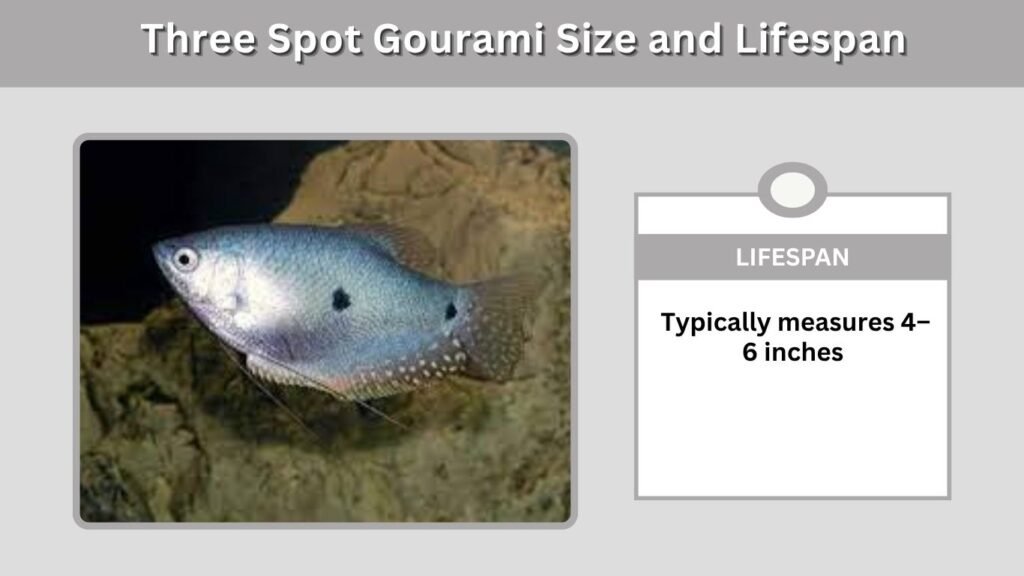
Three Spot Gouramis grow considerably larger than dwarf gouramis, making adult size an important consideration when planning an aquarium. Their growth depends on genetics, nutrition, available space, and water quality. They also have a relatively long lifespan for tropical aquarium fish. Consistent maintenance and a stress-free environment help them grow properly and remain healthy throughout adulthood.
How Big Do Three Spot Gouramis Get?
A full-grown Three Spot Gourami typically measures 4–6 inches (10–15 cm). Males may become slightly larger than females.
Juveniles sold in aquarium stores are often much smaller, but they eventually need adequate swimming space. A small tank that accommodates a young fish may become unsuitable as it matures.
Three Spot Gourami Lifespan
The average Three Spot Gourami lifespan is approximately 4–6 years under suitable aquarium conditions.
Some individuals may live longer with excellent care. Stable temperatures, nutritious feeding, low stress, and suitable tank companions contribute to better long-term health.
Three Spot Gourami Tank Size and Water Conditions
Providing the right aquarium environment is essential for successful Three Spot Gourami care. These fish naturally inhabit warm, slow-moving freshwater environments with abundant vegetation. Although they tolerate a relatively broad range of water conditions, sudden changes can cause stress. Sufficient swimming space, clean water, and sheltered areas help maintain their health and reduce territorial conflicts.
Ideal Aquarium Water Parameters
The following conditions provide a suitable starting point for keeping Three Spot Gouramis:
- Minimum tank size: Around 30 gallons for one adult
- Recommended community tank: 40 gallons or larger
- Water temperature: 75–82°F (24–28°C)
- pH level: Approximately 6.0–8.0
- Water hardness: Around 5–19 dGH
- Water movement: Gentle to moderate
- Ammonia: 0 ppm
- Nitrite: 0 ppm
- Nitrate: Keep low through regular water changes
Stable water chemistry is generally more important than constantly adjusting parameters.
Best Plants and Decorations
Three Spot Gouramis appreciate planted aquariums containing Java fern, Amazon swords, Anubias, and floating plants.
Driftwood and dense vegetation create visual barriers that reduce aggression. Leave open swimming areas and unobstructed surface access because gouramis regularly breathe atmospheric air through their labyrinth organs.
Three Spot Gourami Temperament and Tank Mates

Three Spot Gouramis are often described as semi-aggressive freshwater fish. Their temperament varies between individuals, but adult males frequently defend territories and chase competing fish. Aggression becomes more noticeable during breeding or when aquarium space is limited. Carefully selecting tank companions and providing sufficient hiding areas can reduce conflict and support a more balanced community aquarium.
Best Tank Mates for Three Spot Gouramis
Suitable companions are generally robust fish that tolerate similar aquarium conditions.
- Rainbowfish: Active swimmers that can coexist in spacious tanks.
- Larger tetras: Peaceful but sturdy species that swim in groups.
- Corydoras catfish: Bottom dwellers that usually avoid territorial competition.
- Bristlenose plecos: Bottom-oriented fish that occupy different areas.
- Peaceful loaches: Suitable species can share larger aquariums.
- Larger rasboras: Active schooling fish may work with carefully selected gouramis.
Compatibility depends on aquarium size and individual behavior. Avoid aggressive fin-nippers and delicate, slow-moving companions.
Three Spot Gourami With Angelfish or Dwarf Gouramis
Keeping Three Spot Gouramis with angelfish can be risky because both species may become territorial. Large aquariums with visual barriers improve the chances of compatibility.
Dwarf and honey gouramis are generally less assertive and may experience bullying. Guppies with long fins can also attract aggression, while goldfish have different environmental requirements.
Three Spot Gourami Male vs. Female
Identifying male and female Three Spot Gouramis becomes easier as the fish mature. Although both sexes share similar markings and body shapes, their dorsal fins and body proportions differ. Recognizing these characteristics helps aquarium owners manage territorial behavior and prepare suitable breeding arrangements. Sex identification is particularly useful when keeping more than one gourami together.
Physical Differences Between Males and Females
Mature males generally have longer, more pointed dorsal fins. Their bodies may appear slightly larger and more elongated.
Females usually have shorter, rounded dorsal fins and fuller abdomens. These differences are less reliable in young fish, so identification should focus on mature individuals.
Are Male Three Spot Gouramis Aggressive?
Males commonly display territorial behavior toward other males and sometimes females.
A single male is often easier to manage than multiple males. If keeping a breeding group, provide a larger aquarium with dense vegetation and monitor interactions carefully.
Three Spot Gourami Diet and Feeding
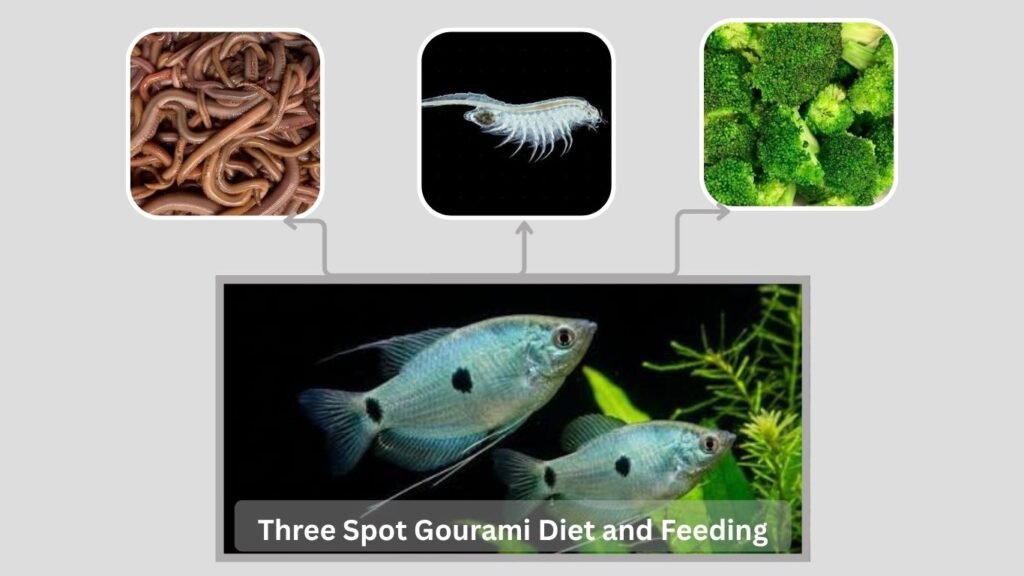
Three Spot Gouramis are omnivorous fish that consume both animal and plant-based foods. In natural environments, they feed on insects, small aquatic organisms, algae, and plant material. Captive gouramis usually accept commercially prepared foods without difficulty. Nevertheless, dietary variety is important for supporting growth, maintaining attractive coloration, and providing essential nutrients throughout different stages of life.
What Do Three Spot Gouramis Eat?
A healthy Three Spot Gourami diet may include:
- Tropical flakes: Convenient balanced food for daily feeding.
- Quality pellets: Provide essential proteins and nutrients.
- Brine shrimp: Suitable occasional protein-rich food.
- Bloodworms: Offer variety when fed in moderation.
- Daphnia: Small aquatic crustaceans that encourage natural feeding.
- Spirulina-based foods: Supply plant-derived nutrients.
- Soft vegetables: Small portions of suitable blanched vegetables.
How Often Should You Feed Them?
Feed adult Three Spot Gouramis once or twice daily in small portions.
Provide only what they can consume within a short feeding period. Overfeeding increases waste accumulation and may contribute to digestive problems. Alternate quality prepared food with occasional frozen or live foods to maintain nutritional variety.
Three Spot Gourami Breeding and Eggs
Breeding Three Spot Gouramis is possible in captivity when suitable environmental conditions are provided. Like many gourami species, males construct floating bubble nests to protect developing eggs. Their reproductive behavior involves courtship displays, nest building, and parental guarding. However, breeding males can become extremely territorial, so a separate aquarium is recommended for safer reproduction and fry development.
How Do Three Spot Gouramis Breed?
A male builds a bubble nest near the water surface, often beneath floating plants. During spawning, he embraces the female, and she releases eggs that are fertilized externally.
The male collects loose eggs and places them in the nest. After spawning, the female should generally be removed to prevent aggression.
Three Spot Gourami Eggs and Fry Care
Eggs commonly hatch within approximately 20–30 hours under favorable conditions. The male protects the nest until the fry begin swimming independently.
Once the fry become free-swimming, remove the male. Initially, feed the young fish infusoria or suitable microscopic fry foods before introducing newly hatched brine shrimp.
Three Spot Gourami Health Problems and Price
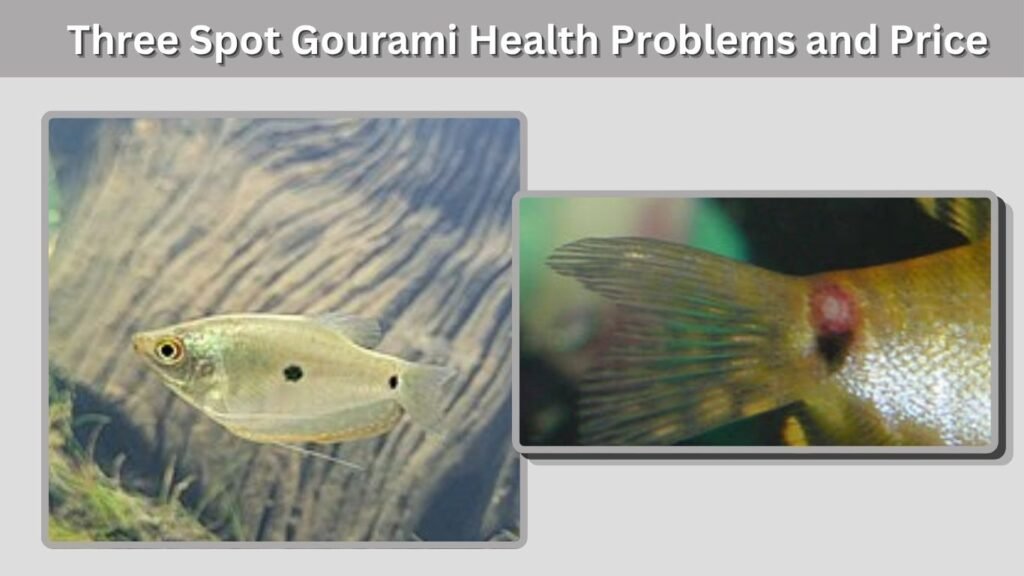
Although Three Spot Gouramis are considered hardy aquarium fish, they can still develop health problems when exposed to poor water quality, infectious organisms, or prolonged stress. Recognizing changes in appearance and behavior helps owners respond before conditions worsen. Understanding typical purchase prices and selecting healthy specimens from reliable aquarium suppliers are equally important considerations.
Common Diseases and Color Changes
Three Spot Gouramis may experience ich, fin rot, bacterial infections, or other aquarium diseases.
Unusual darkening, faded coloration, white patches, appetite loss, and abnormal swimming warrant investigation. A swollen female may be carrying eggs, but persistent bloating can also indicate illness. These signs require assessment rather than assuming a particular diagnosis.
Three Spot Gourami Price and Availability
Three Spot Gouramis are commonly available through aquarium retailers and specialist fish stores.
In the United States, standard blue or gold varieties may cost approximately 4–10 each, although prices vary by size, color variety, location, and availability.
Choose active fish with clear eyes, intact fins, normal breathing, and no visible lesions.
FAQs
Three Spot Gouramis are popular among aquarium enthusiasts, but their behavior and care requirements often raise questions. Many fishkeepers want to understand whether these gouramis can live together, how they compare with dwarf varieties, and whether they are suitable for beginners. The following answers address common concerns about their compatibility, identification, and reproductive characteristics.
1. Are Three Spot Gouramis Aggressive?
Three Spot Gouramis can be semi-aggressive, especially adult males. Territorial disputes commonly occur around feeding areas or during breeding.
2. Can Two Three Spot Gouramis Live Together?
Yes, but compatibility is not guaranteed. Two males may fight, while males can also harass females. Spacious tanks and hiding areas are essential.
3. Why Does a Three Spot Gourami Have Only Two Spots?
The species has two visible dark spots on its body. Its eye is traditionally counted as the third spot, explaining the common name.
4. Can Three Spot Gouramis Breed With Dwarf Gouramis?
No. Three Spot Gouramis and dwarf gouramis belong to different species and genera, and they are not known to produce viable hybrids in aquariums.
5. Can a Three Spot Gourami Get Pregnant?
No. Three Spot Gouramis are egg-laying fish. Females may develop noticeably swollen abdomens when carrying eggs, but they do not become pregnant.
